Cessna Nose Gear Strut Assembly: Front Landing Gear Maintenance Solution
Cessna Nose Gear Strut Assembly: Front Landing Gear Maintenance Solution
Blog Article
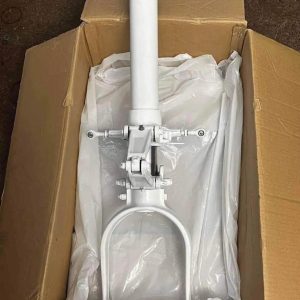
The Cessna Nose Gear Strut Assembly provides structural support, shock-management capability, and ground-handling stability for an appropriately verified Cessna aircraft installation.
The Cessna Nose Strut may provide shock absorption and structural support, but actual functions depend on the complete assembly and aircraft configuration.
A Cessna Front Landing Gear Assembly may include an Aircraft Nose Gear Strut, wheel fork, steering parts, attachment hardware, seals, bearings, and other model-specific components.
The Cessna Landing Gear Assembly functions as a coordinated system, while the Aircraft Landing Gear Strut should not be evaluated separately from its mounts, steering, wheel, tire, and surrounding structure.
Accurate product information supports responsible purchasing and reduces installation delays.
Reviewing the Cessna Front Gear Configuration
Every dash number, suffix, revision, modification, and subcomponent marking should be recorded because similar-looking Cessna nose gear assemblies may not be interchangeable.
The buyer should determine whether the listing includes a complete Cessna Nose Gear Assembly or only selected parts of the system.
Managing Taxi and Landing Forces
The strut must manage those loads without excessive looseness, binding, deformation, leakage, or structural distress.
Inspection should extend beyond the removable assembly to the mounting areas, firewall or support structure, brackets, steering components, wheel fork, and surrounding fasteners where applicable.
Managing Landing and Taxi Impacts
A strut that appears fully extended may still contain internal wear, incorrect pressure, or unsuitable fluid quantity.
Incorrect pressure or fluid quantity can influence ground clearance, steering, ride quality, and structural loading.
Inspecting Steering Links and Torque Components
The steering system should be evaluated as a complete arrangement rather than through the strut alone.
The buyer should inspect torque links, attachment bolts, bushings, bearings, and pivot points for looseness or wear.
Verifying Illustrated Parts Catalog Information
Two aircraft with similar outward appearance may use different struts, forks, cylinders, steering features, hardware, or mounting arrangements.
Cross-reference information should be verified carefully and should include any required supersedures or installation changes.
Checking Chrome and Machined Surfaces
Detailed inspection supports reliable Aircraft Nose Gear Strut evaluation.
Unauthorized grinding, plating, machining, or surface repair should be disclosed.
Seal Condition and Fluid Leakage
The strut should be inspected after cleaning and appropriate servicing to determine whether leakage returns.
Any internal maintenance should be documented with parts and procedures used.
Evaluating Coastal and Outdoor Storage Damage
Surface discoloration should be evaluated rather than dismissed automatically as cosmetic.
The component should be stored in a dry, controlled environment before installation.
Checking for Hard-Landing or Towing Damage
Some defects may be difficult to identify without cleaning, magnification, dimensional comparison, or suitable nondestructive inspection.
The seller should disclose the donor aircraft’s removal reason and known incident history.
Evaluating Fork Alignment and Axle Condition
A complete strut listing should state whether the fork, axle, spacers, wheel, bearings, tire, and hardware are included.
Professional assembly supports dependable Cessna Nose Wheel Strut performance.
Inspecting Landing Gear Articulation Components
Excessive play can contribute to wheel misalignment, vibration, shimmy, and accelerated component wear.
Pivot points should move freely without binding while remaining within acceptable play limits.
Diagnosing Cessna Nose Gear Handling Concerns
Operational reports should identify when the vibration occurs and under what taxi or landing conditions.
Uneven tire wear can indicate alignment concerns, fork distortion, bearing issues, incorrect pressure, steering problems, or repeated side loading.
Fluid and Pressure Maintenance
Values from another Cessna model should not be applied without verification.
Repeated pressure loss should prompt leak investigation rather than continual inflation.
Evaluating Internal and External Components
An overhaul may include complete disassembly, cleaning, dimensional inspection, crack inspection, corrosion evaluation, seal replacement, surface review, reassembly, servicing, and functional checks.
Some components may be repairable while others require replacement.
Evaluating a Used Landing Gear Component
The buyer should obtain enough information for a qualified aviation maintenance professional to evaluate the assembly.
- Determine whether the wheel, tire, bearings, spacers, steering links, hardware, servicing fittings, records, and release documents are included.
- Do not treat clean paint, smooth movement, or a removed-serviceable statement as proof of current installation eligibility.
- Confirm the sales invoice, payment protection, packaging method, freight insurance, inspection period, return terms, and stated assembly condition.
Protecting the Landing Gear Strut in Transit
Professional packaging helps preserve the condition of the Aircraft Nose Gear Strut.
The component should remain immobilized so it cannot roll, slide, or strike the container during transportation.
Preparing a Stored Assembly for Service
During storage, the strut should remain clean, dry, supported, labeled, and protected from impact, moisture, chemicals, dust, and uncontrolled handling.
A stored assembly should not be installed solely because it was previously considered serviceable.
Installing the Cessna Front Landing Gear Assembly
Installation should be completed by appropriately qualified aviation maintenance personnel using applicable Cessna airframe, get more info landing-gear, steering, and component information.
Disciplined workmanship supports reliable Cessna Front Landing Gear Assembly operation.
After installation, technicians should verify strut extension, servicing, leakage, steering response, wheel alignment, hardware security, tire clearance, and freedom of movement.
Routine Inspection and Preventive Maintenance
Cleaning should remove dirt and contaminants without damaging seals, polished surfaces, protective coatings, or identification markings.
Pilots and operators should report steering changes, unusual compression, leakage, vibration, or tire wear promptly.
Evaluating Used Aircraft Gear Pricing
A recent professional inspection or overhaul can add value when the scope, findings, measurements, and replaced parts are documented accurately.
Availability of technical information, replacement parts, and qualified maintenance support can influence long-term value.
Selecting General Aviation Landing Gear Parts
The Cessna Nose Gear Strut Assembly may suit private aircraft owners, flight schools, maintenance organizations, restorers, aviation dealers, and general aviation operators seeking an identifiable landing-gear component.
Buyers should request current photographs, accurate measurements, transparent condition information, professional inspection details, protected freight arrangements, secure transaction terms, and qualified maintenance review.
Whether maintenance teams are sourcing a Cessna Steering Strut Assembly, Cessna Replacement Nose Gear, or General Aviation Landing Gear Parts, professional inspection and installation should precede operational use.
With prompt attention to leakage, scoring, corrosion, shimmy, tire wear, loose bushings, steering play, impact events, and abnormal compression, the installation can preserve its operating potential.
Report this page